How to properly mix NaOH with oils for homemade soap
How to Make Soap Using Sodium Hydroxide (NaOH) – Cold Process Method
Making soap with sodium hydroxide (NaOH) is a chemical reaction called
saponification, where NaOH reacts with oils or fats to create soap and
glycerin.
1. Ingredients & Equipment
Ingredients:
• Oils/Fats – Example:
• 500g Olive Oil (moisturizing)
• 250g Coconut Oil (cleansing, lathering)
• 250g Palm Oil (hardness)
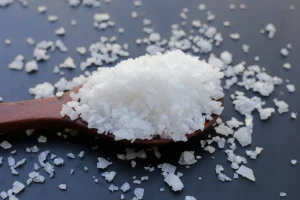
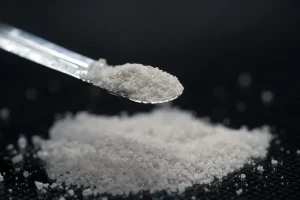
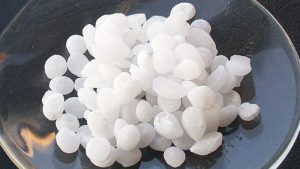
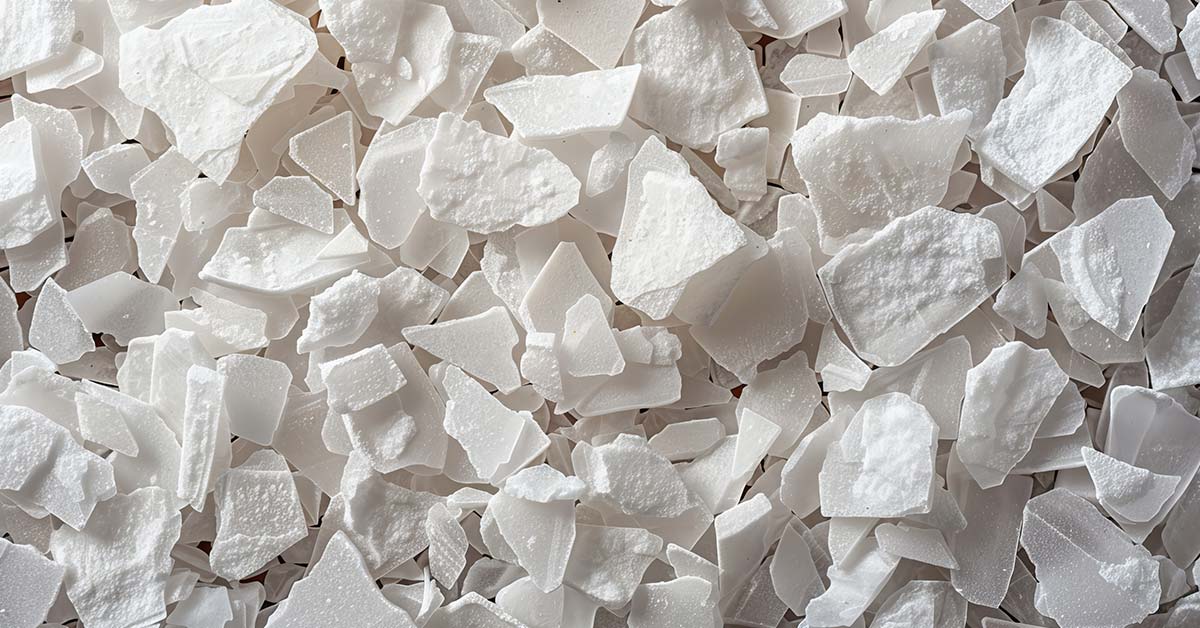
• Sodium Hydroxide (NaOH) – Measured precisely using a soap calculator.
• Water (Distilled) – To dissolve the NaOH.
• Essential Oils (Optional) – For fragrance.
• Colorants (Optional) – Natural clays or mica powders.
Equipment:
• Digital Scale – For accurate measurements.
• Heatproof Plastic or Glass Container – For mixing NaOH solution.
• Stainless Steel or Plastic Mixing Bowl – For oils.
• Stick Blender – To mix soap batter.
• Silicone Mold – To shape the soap.
• Gloves, Goggles, and Long Sleeves – For safety.
• Thermometers – To check temperatures.
2. Measuring & Preparing the Lye Solution
Calculate exact NaOH amount using a lye calculator (like SoapCalc) based on the
oils used.
Example Lye Solution Calculation for 1kg of Oils:
• NaOH (Lye): ~140g
• Water: ~300g
Steps:
1. 2. 3. 4. 5. Put on gloves and goggles.
Weigh the water into a heat-resistant container (glass/plastic).
Slowly add NaOH to the water (never the other way around!).
Stir gently until dissolved. The solution will get hot (~80–90°C).
Let it cool to 38–45°C before mixing with oils.
3. Preparing the Oils
1. Weigh all oils accurately.
2. Heat solid oils (coconut, palm, etc.) gently until melted.
3. Let oils cool to about 38–45°C, matching the lye temperature.
4. Mixing Lye & Oils (Saponification Process)
1. 2. 3. Slowly pour lye solution into oils while stirring.
Use a stick blender in short bursts until it reaches “trace” (thick like pudding).
Add essential oils, colorants, or additives if desired.
5. Molding & Curing
1. 2. 3. 4. Pour soap batter into the mold.
Cover with a towel and let it sit for 24–48 hours.
Unmold & Cut into bars.
Cure for 4–6 weeks in a well-ventilated area to allow excess moisture to
evaporate.
6. Safety & Cleanup
• Uncured soap is still caustic – wear gloves.
• Use vinegar or citric acid to neutralize any lye spills.
• Wash equipment carefully after soapmaking.
- +90 312 513 2737
- +90 534 245 9970