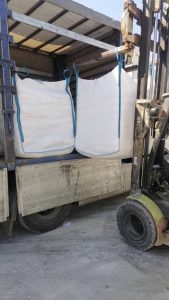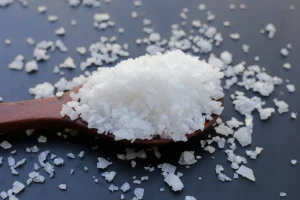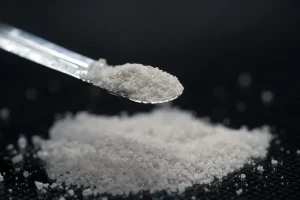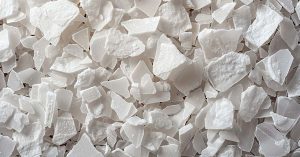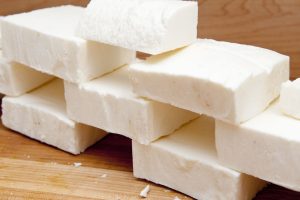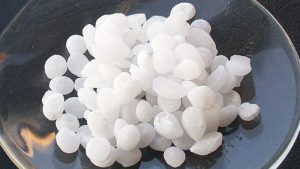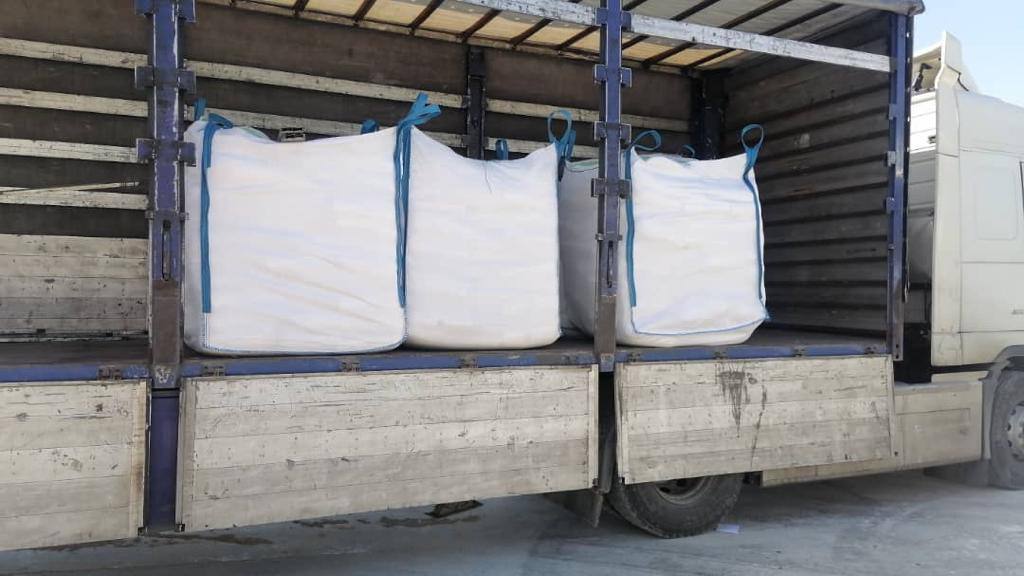
Using NaOH to adjust pH levels.
Using Sodium Hydroxide (NaOH) for Water Treatment
Sodium hydroxide (NaOH) is commonly used in water treatment to adjust pH
levels, neutralize acidity, and remove heavy metals. It is effective in both
drinking water and wastewater treatment but must be handled carefully due to
its corrosive nature.
1. Purpose of NaOH in Water Treatment
✅ pH Adjustment – Raises the pH of acidic water to prevent pipe corrosion.
✅ Softening Water – Helps remove hardness caused by calcium and magnesium.
✅ Removing Heavy Metals – Precipitates metals like iron, lead, and copper.
✅ Neutralizing Wastewater – Balances acidity before water discharge.
2. Recommended NaOH Concentrations
Drinking Water Treatment (Municipal & Well Water)
• Concentration: 0.5–1% NaOH solution (5–10g NaOH per liter of water).
• Target pH: 7.5–8.5 (to prevent corrosion but avoid excessive alkalinity).
• Application:
• Slowly add diluted NaOH to water using a dosing pump or manual mixing.
• Continuously monitor pH with a pH meter.
Wastewater Treatment (Neutralizing Acidic Water)
• Concentration: 1–5% NaOH solution (10–50g NaOH per liter of water).
• Target pH: 6.5–9.0 (depending on discharge regulations).
• Application:
• Add NaOH gradually while stirring.
• Use a pH meter to avoid over-adjustment.
Boiler & Cooling Water Treatment
• Concentration: 0.1–0.5% NaOH solution (1–5g NaOH per liter).
• Purpose: Prevents scaling and corrosion in industrial water systems.
3. Safe Handling & Application
✅ Always add NaOH to water (never water to NaOH) to prevent dangerous heat
buildup.
✅ Use chemical-resistant gloves, goggles, and protective clothing.
✅ Store NaOH in a sealed, dry container away from moisture.
✅ Use a dosing pump for precise control in continuous water treatment systems.
✅ Monitor pH regularly to prevent overcorrection, which can make water too
alkaline.
4. Environmental Considerations
• Discharging treated wastewater: Ensure pH is within regulatory limits (6.5–9.0).
• Avoid overuse: Excessive NaOH can lead to scaling in pipes and harm aquatic
ecosystems.
Would you like guidance on a specific type of water treatment (e.g., home well
water, industrial use, or wastewater management)?
- +90 312 513 2737
- +90 534 245 9970