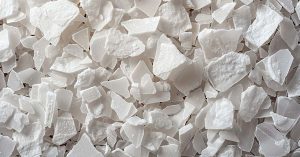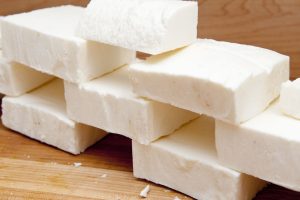
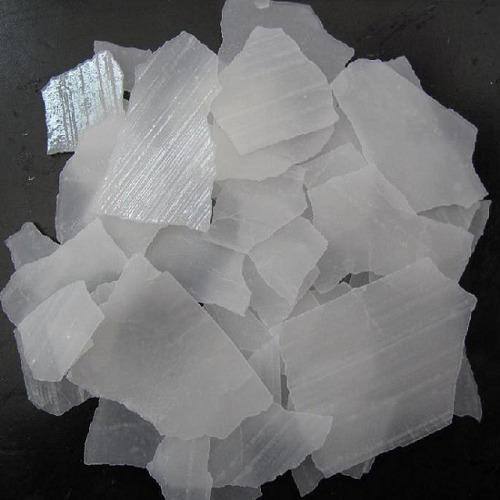
Here are some recommendations for polyethylene wax (PE wax) based on the
candle type you’re making:
1. Pillar & Taper Candles (Harder, Durable Wax)
For pillar candles, taper candles, or any candles that need to hold a solid shape
and resist dents or scratches, you’ll want a higher melting point PE wax.
• Type of PE Wax:
• High Melting Point PE Wax (MP: 120-130°C / 248-266°F)
• Application: Adds hardness and stability to the wax, preventing the candle
from softening or becoming misshapen.
• Usage: 3-5% of the total wax weight to enhance hardness without affecting
the burn quality.
2. Container Candles (Smooth, Glossy Finish)
For container candles (in jars or tins), a medium-melting PE wax can be used to
improve the texture and finish while adding a smooth surface.
• Type of PE Wax:
• Medium Melting Point PE Wax (MP: 100-110°C / 212-230°F)
• Application: Improves the surface finish by providing a glossy, smooth
appearance. It also adds stability while maintaining good scent retention.
• Usage: 2-3% of the total wax weight for a nice sheen without affecting the
burn too much.
3. Decorative & Luxury Candles (Sleek, Shiny Surface)
For decorative or luxury candles, where aesthetics are important, you can opt for
PE wax with a lower melting point to get a glossy, sleek finish.
• Type of PE Wax:
• Low Melting Point PE Wax (MP: 85-95°C / 185-203°F)• Application: Offers an ultra-smooth finish, great for votive candles, molded
designs, and decorative candles.
• Usage: 1-2% of the total wax weight for a sleek, high-gloss surface.
Tips for Using Polyethylene Wax in Candle Making
1. Blending with Other Waxes:
• For optimal results, PE wax is often blended with paraffin, soy, or palm
wax to balance burn time, scent throw, and texture.
• When blending, use 1-5% of PE wax to avoid over-hardening or
compromising the wax’s burning characteristics.
2. Stir Well:
• After adding PE wax, ensure it is fully incorporated into the melted mixture by
stirring thoroughly. This will ensure even distribution of the wax and the
desired properties.
3. Test Burn:
• Always perform a test burn before final production to ensure the correct
combination of PE wax and other waxes works well for the desired outcome.
Would you like more help with the exact formulation for a specific type of candle, or
tips on other additives to use with polyethylene wax?